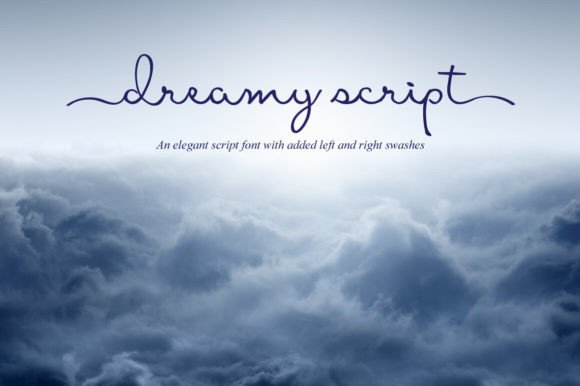
Dreamy Script: A Hand-Drawn Typeface for Elegant Branding
I opened a blank brand board on my screen, the cursor blinking like a silent challenge. The client was a small artisanal skincare line that wanted to feel organic yet luxurious. They didn't want stiff corporate lines or generic templates; they wanted something that felt touched by human hands. That is when I pulled Dreamy Script from my library of Script Amp and Fonts. It wasn't just another decorative typeface in the pile; it had an immediate presence that seemed to whisper elegance rather than shout it.
The first test was the logo concept. I sketched out a few variations, but nothing quite clicked until I applied this hand-drawn style. The flowing nature of the letters created a natural rhythm that mirrored the smooth texture of the product itself. Unlike many script fonts that feel rigid or overly ornate, Dreamy Script maintains a relaxed, airy quality. It looks as though it was written with a fine nib pen in one continuous motion, capturing that specific moment of creative flow. When I placed it against a soft beige background on a mockup packaging label, the contrast was subtle yet sophisticated. It didn't overpower the imagery; instead, it framed the brand identity with a gentle, inviting grace.
From Logo Drafts to Social Media Layouts
After nailing the logo, I moved on to the broader visual system. One of the most common mistakes designers make with script fonts is overusing them as body text or forcing them into spaces where they don't belong. I tested Dreamy Script across various design assets to see how versatile it truly is. On a website header, it served perfectly as a display font, drawing the eye immediately without demanding aggressive attention. However, I quickly learned that it is not meant for long paragraphs of editorial design or small print on business cards.
The real magic happened when I experimented with social media graphics. For a boutique shop owner promoting handmade goods, this font acts as a powerful accent tool. Imagine an Instagram post featuring a close-up of a ceramic mug; placing the brand name in Dreamy Script adds a layer of personal connection that a standard sans serif simply cannot achieve. It bridges the gap between digital content and physical craftsmanship. When used on t-shirt designs or signs, the flowing strokes give the product a unique character, making it stand out in a crowded marketplace. It transforms a simple garment or sign into a statement piece that feels curated and thoughtful.
However, I also encountered its limitations during the testing phase. When I tried to use it for a tagline in a very small size on a flyer, the delicate details began to blur. This is a crucial observation for any designer considering this commercial font: it shines best in medium to large sizes. It excels as a headline font, a logo font, or a decorative element for short phrases. If you need to convey complex information or ensure maximum readability for legal disclaimers, you will likely need to pair it with a more structured typeface.
Pairing for Visual Harmony
A single font rarely tells the whole story of a brand identity. The success of using Dreamy Script often depends on what you pair it with. During my review, I found that combining it with a clean sans serif font creates a striking modern typography balance. The softness of the script contrasts beautifully with the sharp, geometric lines of a sans serif, creating a hierarchy that guides the viewer's eye naturally. For example, using a bold sans serif for headings and letting Dreamy Script handle the subheadings or signature lines can elevate a design from amateur to professional.
I also explored pairing it with a classic serif font, particularly for projects involving wedding invitations or high-end magazine design. In these contexts, the elegant curves of Dreamy Script complement the traditional structure of a serif, adding a touch of romance and timelessness. The key is to avoid competing scripts. Since Dreamy Script already has a strong personality, introducing another handwritten or script font can create visual clutter. Instead, let it be the star of the show while your supporting typefaces provide stability and legibility.
Practical Applications and Design Considerations
When integrating this typeface into a project, it is essential to think about the mood you want to evoke. Dreamy Script carries a distinct emotional weight. It suggests creativity, warmth, and a personal touch. This makes it ideal for industries like beauty, lifestyle, food and beverage, and creative services. If you are designing a brand board for a local café, for instance, this font can make the menu feel like a handwritten note from the owner. It invites customers to slow down and appreciate the craft behind the coffee or pastry.
On the flip side, there are scenarios where this font might not be the right choice. If you are building a brand identity for a law firm, a financial institution, or a tech startup focused on data security, the whimsical nature of Dreamy Script could undermine the perception of authority and precision. In these cases, a more formal typeface would be more appropriate. Furthermore, if your project requires multilingual support for languages outside the Latin alphabet, you must verify the specific character set included in the file. While many premium fonts offer extensive language support, always double-check before committing to a global campaign.
Testing the font before finalizing any client work is non-negotiable. I recommend printing out samples at different sizes and viewing them on various screens. Check how the ligatures and swashes interact with the surrounding elements. Does the spacing feel natural? Do the alternate characters add value or just distraction? Dreamy Script comes with a variety of styles that allow for customization, but using too many alternates in a single layout can look chaotic. Restraint is often the hallmark of good design.
Licensing and Commercial Use
Before deploying Dreamy Script in any commercial project, whether it is for a client's packaging, a merchandise store, or a digital template, it is vital to review the licensing agreement. Font licenses vary widely, and some may restrict usage on products sold for profit, such as t-shirts or mugs. Ensuring you have the correct commercial license protects both you and your clients from potential legal issues. Whether you are a freelancer working on a freelance basis or a creative studio managing multiple accounts, understanding the terms of use is part of the professional responsibility.
In conclusion, Dreamy Script is more than just a pretty font; it is a tool that can significantly enhance the narrative of a brand. Its hand-drawn aesthetic brings a human element to digital and print media, fostering a deeper connection with the audience. By understanding its strengths and limitations, and by pairing it thoughtfully with other design elements, designers can create cohesive and impactful visual identities. Whether you are crafting a wedding invitation or refreshing a bakery's logo, this creative font offers the perfect blend of elegance and flow to bring your vision to life.